 Codon Chart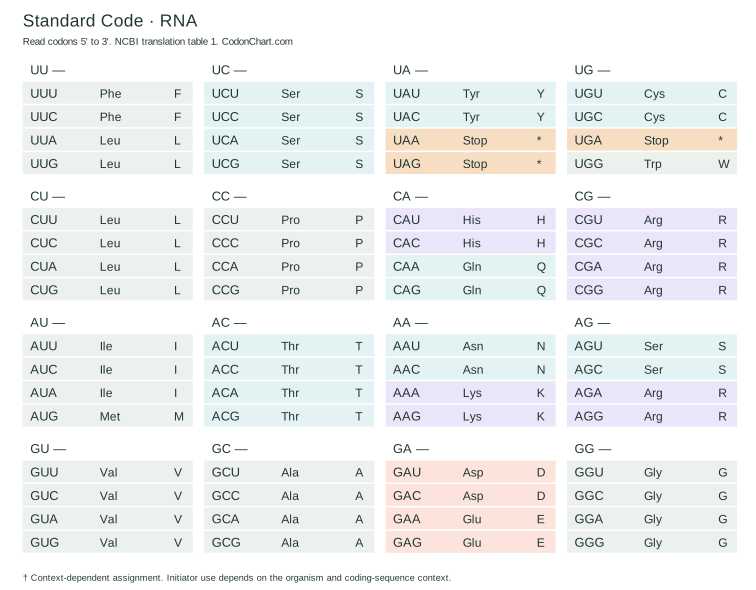
How to read a codon chart
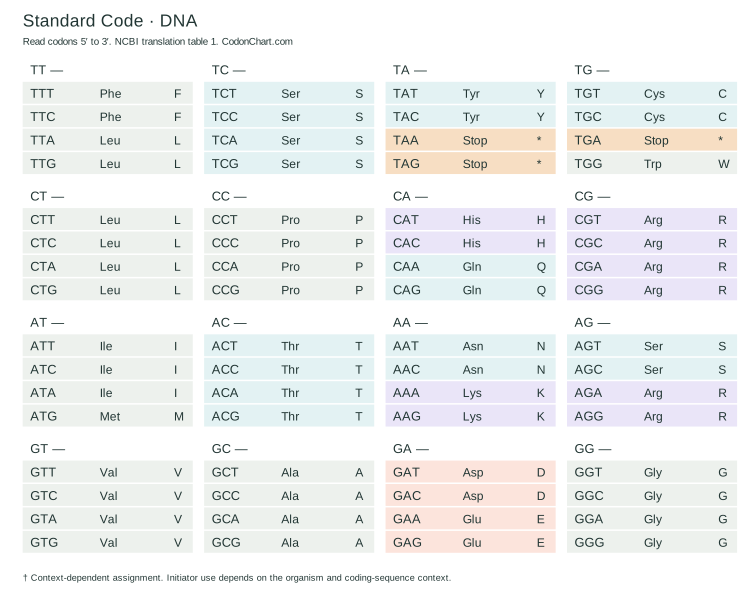
A codon is a group of three nucleotides read in the 5′ to 3′ direction. In an RNA codon chart the bases are U, C, A and G. DNA uses T in place of U. Choose the first two bases to find a card, then read the complete three-base codon. For example, AUG encodes methionine in the standard code, while UUU encodes phenylalanine. Selecting a codon shows its full amino-acid name and abbreviations beside the chart.
Tab into the table and use the arrow keys to move between codons. Home and End move across the current row; Ctrl or Command with Home or End reaches the beginning or end of the table. On a phone, Inspect returns to the selected answer when you have scrolled past it. Open Choose each base to use the three individual selectors, or type a triplet directly into the lookup field.
The standard genetic code has 64 possible codons. Of these, 61 specify amino acids and three signal termination: UAA, UAG and UGA. Several codons can specify the same amino acid. This redundancy does not mean that every possible base substitution leaves the protein unchanged.
Choose the code for your sequence
The default is NCBI translation table 1, the standard code. Mitochondria and some organisms use different assignments. Select another table before interpreting a sequence from one of those systems. The chart follows the NCBI genetic-code tables, including context-dependent assignments. A codon listed as a possible start is not automatically an initiation site in a real sequence.
Switch to the codon wheel for a center-outward view or the amino acid chart to compare names and abbreviations. To translate an entire sequence, use DNA to protein; it lets you inspect all six reading frames.
Print or reuse your chart
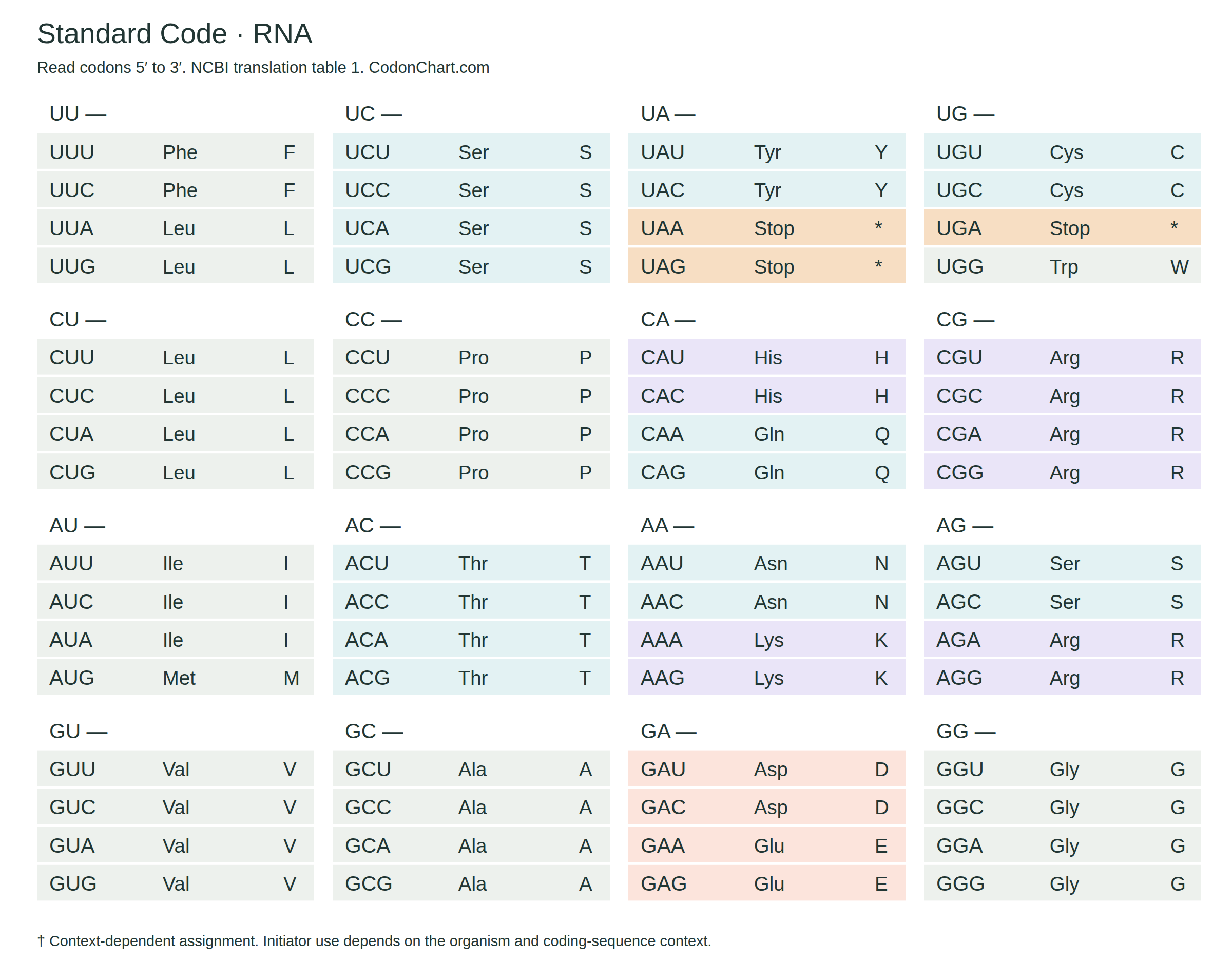
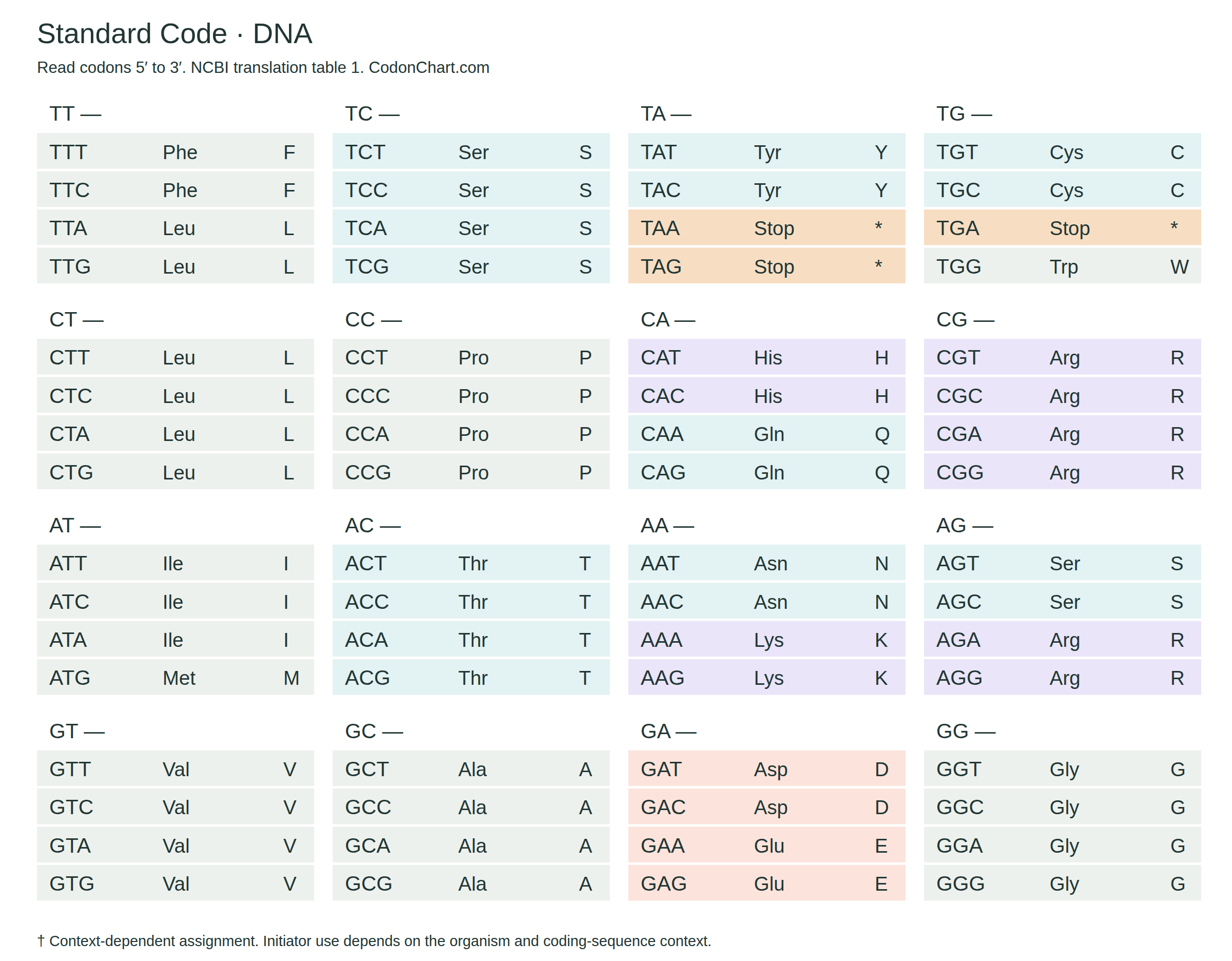
The printable reference sheets are ready-made RNA and DNA versions of the standard code. Each has permanent PDF, SVG and PNG links, so you can download a one-page reference without configuring the tool or enabling JavaScript. The table and wheel show the same 64 assignments; choose the layout you find easier to follow.
Download SVG creates a vector chart that stays sharp when resized. Print uses a simplified page layout; your browser can also save that page as a PDF. The selected RNA or DNA alphabet and genetic code carry through to the SVG. Color groups make the chart easier to scan, while text labels keep every assignment readable without relying on color.
Inspect ambiguous codons and code differences
Type three IUPAC bases into the codon inspector to expand an ambiguous triplet. For example, GCN represents four codons that all encode alanine in the standard code. When possibilities disagree, the inspector lists them instead of selecting an amino acid. Context-dependent termination also remains unresolved.
For a nonstandard genetic code, marked codons and the differences panel identify internal assignments that differ from table 1. The comparison includes context-dependent termination but does not count differences in initiation markers. Open Codons & context to see the selected codon's family and assignment notes. Ambiguous and context-dependent assignments open this explanation automatically. Download SVG for an editable vector reference, or PNG for a 2,400-pixel image; the amino-acid page exports its own amino-acid table.